
For many women facing breast cancer, a mastectomy becomes part of their treatment plan. After such a major surgery, many choose a breast reconstruction procedure to restore the shape and appearance of the breast. Understanding breast reconstruction recovery time is an important step in preparing for the journey ahead.
Breast reconstruction is a deeply personal choice. Some women choose to undergo surgery immediately after mastectomy, while others delay the procedure depending on their health, treatment needs, or personal preferences. The primary goal of reconstruction is to create a natural-looking breast that restores balance, confidence, and comfort.
Types of Breast Reconstruction
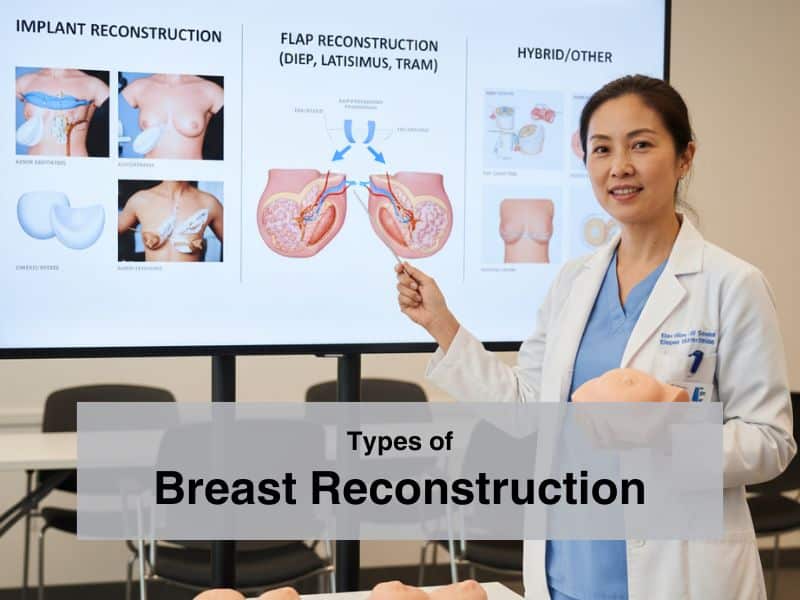
There are two main types of breast reconstruction:
- Implant-based reconstruction
- Uses breast implants (saline or silicone) to rebuild the breast mound.
- Often involves tissue expander placement first to stretch the skin and chest wall.
- Autologous tissue reconstruction (flap reconstruction)
- Uses the patient’s own tissue—often from the abdomen, back, or thighs.
- Restores the breast with blood vessels, skin, and fat tissue.
The best choice depends on the woman’s body, lifestyle, medical history, and desired outcome.
Surgical Procedures
Breast reconstruction surgery is not a single step but a gradual process. Depending on the type chosen, it may involve:
- Mastectomy (removal of breast tissue).
- Tissue expander placement, to stretch skin for later implant surgery.
- Implant insertion once the tissue has healed.
- Nipple reconstruction and/or areola tattooing for a natural appearance.
- In some cases, aesthetic flat closure is performed if the patient prefers no breast mound.
Surgical drains may be placed to remove extra fluid from the surgical site. Most patients will spend at least one night in the hospital, though recovery depends on the procedure’s complexity.
Planning and Preparation
Preparation is key to a smoother healing process. Before surgery, patients should:
- Stop smoking to improve blood vessel health.
- Avoid strenuous exercise or heavy lifting in the weeks leading up.
- Share all medications and medical history with their doctor.
- Arrange for help at home after discharge.
The surgeon’s advice may include pre-operative testing, fasting instructions, and planning for wound care supplies at home.
Post-Surgical Care
After surgery, most women receive a detailed recovery plan from their surgeon. This plan outlines how to manage healing step by step.
Pain medication is typically prescribed to ease discomfort in the first days and weeks.
Regular wound care at the surgical site is important to lower the risk of infection. Patients are also instructed to watch for signs such as redness, swelling, or fluid leaking.
If surgical drains are placed, they usually remain for one to two weeks before removal during a follow-up visit.
Multiple follow-up appointments with the surgeon help track progress and ensure proper healing.
During early recovery, patients must avoid heavy lifting and strenuous activity to prevent complications.
Recovery and Healing
Recovery Time for Breast Reconstruction
The typical breast reconstruction recovery time is about two to three weeks for initial healing, but full recovery often takes several months.
Most patients are able to return to their usual activities within six to eight weeks. The exact timeline depends on the type of reconstruction and each patient’s overall health.
Recovery after implant surgery is usually quicker, allowing many women to resume daily activities sooner.
In contrast, autologous tissue reconstruction (using your own tissue) often requires a longer recovery since multiple surgical areas need to heal at the same time.
What Patients Can Expect
In the first days after surgery, fatigue, soreness, and swelling are common. These symptoms usually improve with rest and proper care.
In the weeks that follow, patients may notice bruising, visible scars, and mild fluid buildup around the surgical site.
By several months later, the reconstructed breast typically softens, scar tissue begins to fade, and sensation may gradually return. Some women regain partial feeling as nerves reconnect, while others may not fully restore sensation.
Throughout recovery, the surgeon’s advice should always guide when it’s safe to resume work, physical activity, and strenuous exercise.
Physical and Emotional Wellbeing
Recovery is not only physical but also emotional. After such major surgeries, many women experience a mix of relief, anxiety, and concern about body image.
For physical health, it’s important to follow a balanced diet, stay active with gentle movement, and avoid heavy lifting until the surgeon gives clearance.
Emotional support can make recovery easier. Support groups, counseling, and close friends provide comfort and understanding during the process.
Patients should also pay attention to their mental health. Feelings of depression, anxiety, or stress related to cancer treatment and reconstruction are common, and seeking professional help can be an important part of healing.
Choosing the Right Surgeon
Selecting an experienced plastic surgeon is one of the most important steps in breast reconstruction.
Start by confirming that the surgeon is board-certified in plastic surgery, which ensures advanced training and qualifications.
Ask about their experience with breast reconstruction surgery, since expertise in this specific procedure can make a difference in both results and recovery.
Good surgeons provide clear communication about possible risks, recovery time, and the expected final results.
Reviewing before-and-after photos can also help set realistic expectations and give you confidence in your choice.
Breast Implant Considerations
For women choosing breast implant surgery, several factors should be carefully considered.
First, discuss the type of implant with your surgeon, saline versus silicone, as well as the shape and placement options that best fit your body and goals.
It’s also important to be aware of potential risks, such as implant rupture, capsular contracture, and anaplastic large cell lymphoma, a rare cancer associated with some textured implants.
Finally, patients should understand that breast implants may need replacement over time, as they are not considered lifetime devices.
Reconstructive Surgery Techniques
Modern techniques include:
- Tissue expander: implant surgery (gradual stretching before implant placement).
- Nipple sparing mastectomy, preserving the natural nipple and skin.
- Aesthetic flat closure for women who choose not to reconstruct a breast mound.
Each method comes with its own healing process, risks, and long-term outcomes.
Managing Expectations
Breast reconstruction recovery is a journey. Patients should understand:
- It may take multiple surgeries to achieve the final result.
- Scars and bruising are part of healing.
- The reconstructed breast will never be identical to the natural breast, but many women achieve a balanced and natural appearance.
- Emotional healing may take longer than physical recovery.
Breast Reconstruction Recovery FAQs
What is the average breast reconstruction recovery time?
The average breast reconstruction recovery time is 6 to 8 weeks for most patients to resume normal activities. Complete healing, including improvement of scars and sensation, may take several months. Recovery may be shorter after implant surgery and longer with autologous tissue reconstruction. Each patient’s healing process is unique, so it’s important to follow your surgeon’s advice and attend all follow-up appointments.
Can I exercise weeks after surgery?
Light movement is encouraged early on, but avoid strenuous exercise and heavy lifting until cleared by your plastic surgeon. Usually, patients return to exercise six to eight weeks after surgery. Start with gentle activities like short walks and gradually increase intensity based on your surgeon’s recommendations. Listen to your body and stop any activity that causes pain or discomfort.
Do breast implants affect recovery time?
Yes. Implant surgery often requires less healing time compared to reconstruction using own tissue, which involves additional surgical areas. However, recovery varies between patients. Most implant patients resume normal activities within four to six weeks, while tissue-based reconstruction may require eight to twelve weeks. Your surgeon will provide a personalized recovery timeline based on your specific procedure.
What are the possible risks during recovery?
Risks include infection, fluid buildup, implant rupture, scarring, and rare complications like anaplastic large cell lymphoma. Patients should follow their doctor’s advice and attend all follow-up appointments. Early detection of complications significantly improves outcomes, so report any concerning symptoms immediately. Maintaining proper wound care and hygiene helps minimize infection risk.
How can I manage pain during recovery?
Doctors prescribe pain medication to ease discomfort. Over time, pain lessens, but patients should monitor for unusual symptoms like worsening swelling, fluid leaking, or redness at the surgical site. Ice packs, proper positioning with pillows, and wearing compression garments as directed can also help reduce discomfort. Most patients find that pain becomes manageable with over-the-counter medication within two to three weeks.
Learn More About Breast Reconstruction
If you still have questions about breast reconstruction recovery time or want to know if you’re a good candidate for this procedure, Dr. Raja Mohan is here to guide you. During your consultation, he’ll explain the healing process, recovery expectations, and what results you can look forward to.
Call our office today to schedule your consultation with Dr. Mohan and take the first step toward confidence and restored balance after breast cancer surgery.