
Gynecomastia Self-Care is one of the first topics men search for when they notice changes in their chest. Many patients want to know if exercises, diet, and daily habits can help improve chest appearance before considering medical options. This article explains what self-care can and cannot do, based on what surgeons commonly see.
For many men, gynecomastia affects not only physical appearance but also confidence, comfort, and mental health. At Dr. Raja Mohan Plastic Surgery, understanding how exercise fits into effective gynecomastia self care helps patients set realistic expectations, avoid frustration, and make informed decisions about the best path forward for their chest concerns.
What Is Gynecomastia
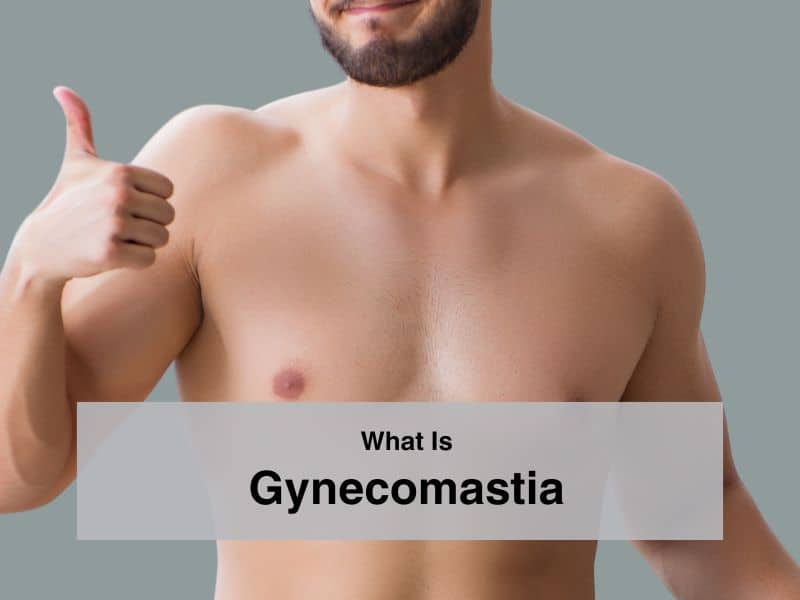
Gynecomastia is a medical condition involving the growth of male breast tissue. It happens when there is an imbalance between testosterone and estrogen levels, leading to breast tissue growth. This is different from simple weight-related chest fat.
In clinical practice, surgeons see gynecomastia in teenagers, adults, and older men. It can affect one or both sides of the chest and may cause tenderness, chest fullness, or visible enlarged male breast tissue. While it is common, it often leads to low self esteem and emotional distress.
Gynecomastia is not breast cancer, but any new or painful chest changes should still be evaluated through a proper medical evaluation.
Gynecomastia vs Pseudogynecomastia: What’s the Difference
This distinction is critical for understanding self-care outcomes.
- True gynecomastia involves glandular breast tissue and excess glandular tissue
- Pseudogynecomastia is mainly breast fat related to excess body fat or weight gain
In some cases, patients have a combination of both glandular tissue and excess fat, which explains why results vary so much from person to person.
This is where online information can be misleading. Exercises and weight loss can reduce fat, but they cannot remove excess glandular tissue. That difference determines whether gynecomastia self care alone will be effective.
How to Know if You Have Gynecomastia
Gynecomastia often causes enlarged male breast tissue that feels firm or rubbery rather than soft like fat. Many men notice chest fullness, tenderness, or swelling that does not improve with weight loss or exercise.
The most reliable way to know if you have true gynecomastia is through a medical evaluation by a qualified healthcare provider, who can assess breast tissue type and rule out other health concerns.
Gynecomastia and Breast Tissue
Male breast tissue responds to hormones, not exercise. When estrogen effects outweigh testosterone, breast tissue can enlarge. Over time, this tissue becomes firm and resistant to change.
Surgeons often see patients who have spent years doing chest exercises without improvement because the underlying issue was glandular breast tissue, not fat. In these cases, self-care improves overall fitness but does not fully flatten the chest.
Understanding whether your chest contains breast fat or glandular tissue is essential before choosing a plan to manage gynecomastia.
Causes of Gynecomastia
Gynecomastia rarely has a single cause. Common contributors include:
- Hormonal imbalance affecting testosterone production
- Puberty-related hormone changes
- Certain medications or anabolic steroids
- Alcohol consumption
- Liver disease
- Thyroid disorders
- Issues involving the pituitary gland
- Other health conditions or an underlying medical condition
Gynecomastia often reflects broader health concerns, including metabolic health and overall health. Addressing the root cause is part of responsible self care strategies to get rid of it.
Exercises for Gynecomastia Self-Care
Top Exercises for Chest Appearance
While exercise cannot eliminate glandular breast tissue, it plays an important role in gynecomastia self care by improving chest appearance, strengthening the pectoral muscles, and helping reduce excess fat.
Surgeons see that men who consistently train their chest often achieve a firmer, more defined upper body, even when some breast tissue remains.
Effective movements include:
- Push ups (standard, incline, decline): A bodyweight exercise that activates the chest, shoulders, and arms while also supporting overall fat loss when performed consistently.
- Bench press variations: Builds chest strength and thickness, helping the chest look flatter and more structured under clothing.
- Chest fly exercises: Targets the inner and outer chest muscles, which can improve chest shape and definition.
- Dips: Engages the lower chest and helps enhance the lower chest line, contributing to a more masculine contour.
Building chest muscles helps create a firmer, more masculine chest contour by adding muscle beneath the chest area.
However, results still depend on body weight, fat distribution, and whether male breast enlargement is primarily fat-based or caused by glandular tissue, which does not respond to exercise alone.
Cardio and Fat Loss
Cardio exercises are essential for reducing excess body fat across the entire body. Targeted fat loss in the chest alone is not possible, but cardiovascular exercise supports fat loss and helps burn fat overall.
Helpful options include:
- Brisk walking
- Cycling
- Swimming
- Interval training
For patients with pseudogynecomastia, losing weight can significantly improve chest fullness.
Diet and Healthy Lifestyle
A healthy diet supports hormone balance and reduces fat storage. In clinical practice, diet is often more impactful than exercise alone.
Key nutrition principles include:
- Prioritizing lean proteins to support muscle growth
- Choosing healthy fats over processed oils
- Limiting processed foods
- Reducing sugar and refined carbs
- Supporting testosterone production through balanced nutrition
A consistent healthy lifestyle supports physical health, mental health, and sustainable results.
Medical and Hormonal Considerations
In some cases, medical treatment or hormone therapy may be appropriate, especially when gynecomastia is driven by a documented hormonal imbalance. This requires evaluation by a qualified healthcare provider.
Self-care should never replace professional medical advice, especially when symptoms persist or worsen.
Does Gynecomastia Go Away?
For teenagers, gynecomastia may resolve on its own as hormones stabilize. For adults, outcomes vary.
- Gynecomastia related to excess body fat often improves with weight loss
- Long-standing glandular tissue rarely disappears without intervention
- Stopping triggers like anabolic steroids or excessive alcohol consumption may help in early cases
However, when enlarged breast tissue remains stable for years, gynecomastia surgery or male breast reduction surgery may be the only definitive solution.
Gynecomastia Cost
The cost of gynecomastia treatment varies widely depending on the approach.
- Gynecomastia self care has minimal direct cost but requires time and consistency
- Medical treatment costs depend on testing, medications, and monitoring
- Male breast reduction or gynecomastia surgery costs vary based on technique, extent of tissue removal, and recovery needs
Surgeons often explain that cost differences reflect anatomy, excess breast tissue, and whether patients need to undergo surgery for long-term correction.
When to See a Doctor
You should seek a medical evaluation if you notice:
- Rapid or painful breast tissue growth
- Hard or uneven masses
- Symptoms affecting mental health or self esteem
- Gynecomastia associated with other health conditions
A physician can determine whether there is an underlying medical condition and guide appropriate self care or treatment options.
Frequently Asked Questions: Gynecomastia Self-Care
Can exercises alone treat gynecomastia?
Exercises help reduce body fat and improve chest muscles, but they cannot remove glandular breast tissue. For true gynecomastia, exercise supports gynecomastia self care but does not fully treat gynecomastia.
Do push ups reduce male breast tissue?
Push ups strengthen the chest and improve physical appearance, but they do not shrink excess glandular tissue. They are most effective when combined with cardio exercises and weight loss.
Can weight loss worsen gynecomastia?
In some cases, losing weight can make glandular tissue more visible, which may appear to worsen gynecomastia. This happens when fat loss reveals firm breast tissue underneath.
Is gynecomastia linked to hormone problems?
Yes. Many cases involve testosterone and estrogen levels imbalance. Addressing hormone balance may require medical treatment guided by a qualified healthcare provider.
When is surgery the best option?
Surgery is often recommended when excess glandular tissue persists despite self care strategies. Male breast reduction surgery provides permanent correction and predictable results.
Book a Gynecomastia Consultation Today
If gynecomastia continues to affect your chest appearance despite exercise and lifestyle changes, a professional evaluation can help clarify the next steps. Surgeons often see that the best treatment depends on whether the concern is related to excess fat, glandular tissue, or a combination of both.
At Dr. Raja Mohan Plastic Surgery, consultations are focused on understanding your anatomy, health history, and goals to determine the most effective approach for lasting improvement.
Book your consultation today to discuss your options and move forward with confidence.