


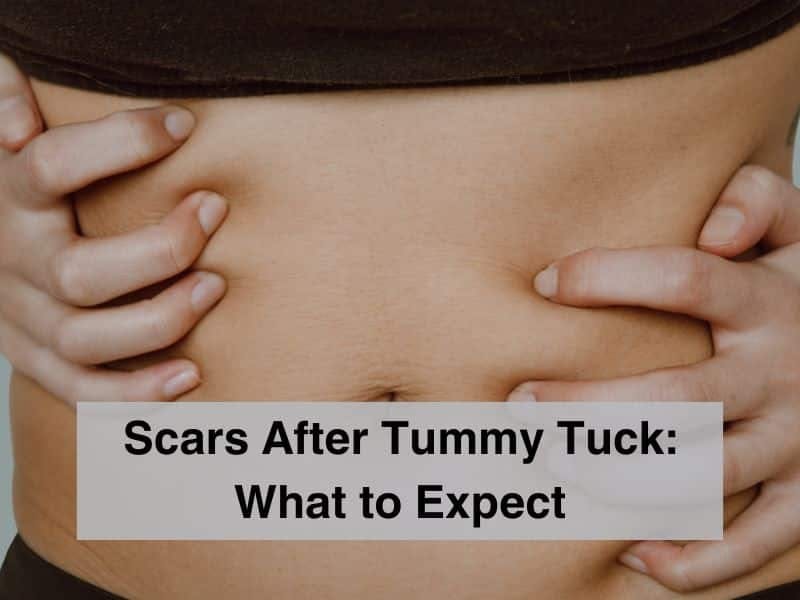
As with any type of invasive surgery, scars after tummy tuck are inevitable. Where there are incisions, there will always be tummy tuck scars.
Fortunately, most tummy tuck patients can avoid severe scarring. The majority of patients will be able to wear basically whatever they want after surgery — without showing any tummy tuck scars whatsoever.
If you’ve been considering a tummy tuck but are unsure about moving forward because you’re worried about scarring, this article is for you. Up ahead, we’ll go over what type of scarring you can expect after a tummy tuck, based on the exact type of surgery you undergo. We’ll also provide some tips to help you minimize the appearance of mature scars as much as possible.
What Type of Tummy Tuck Scars Will I Have?
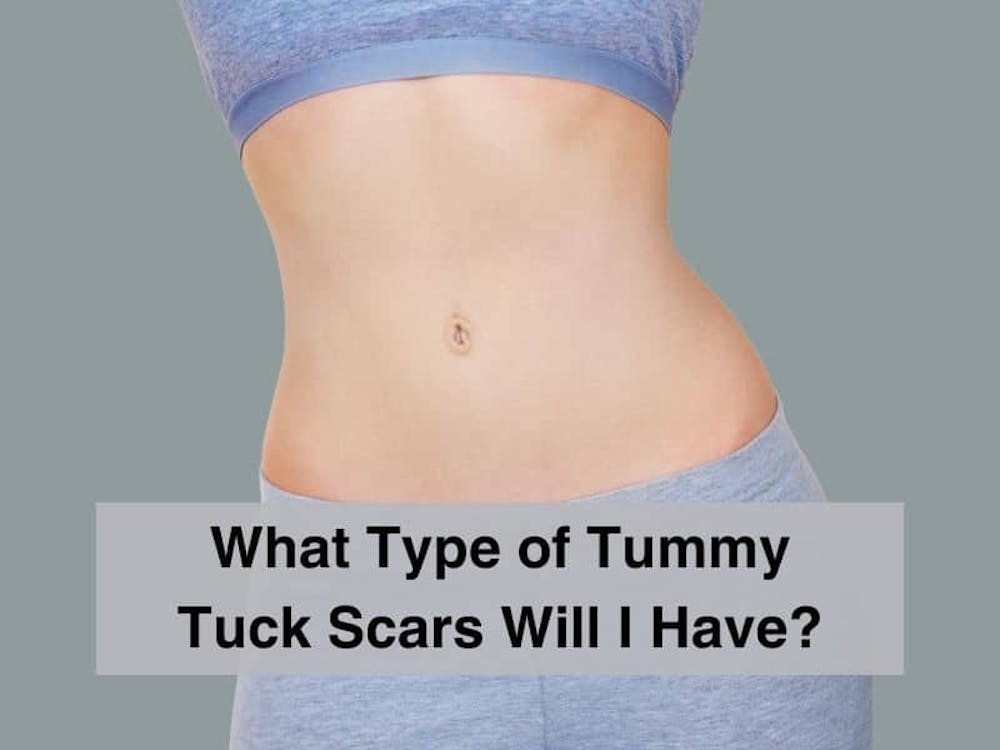
The type of abdominoplasty scar (or scars) you’ll have after recovery will depend on what technique is used during your surgery. There are four basic abdominoplasty techniques, each of which will result in a different type of scar.
Full (Standard) Tummy Tuck
A full or standard tummy tuck is the most common abdominoplasty technique. This procedure necessitates two incisions to be made. One incision will be made horizontally from hip to hip. This incision allows your surgeon to pull down the abdominal skin and create a sleeker tummy. After healing, this abdominoplasty scar will be completely concealable underneath your pants and underwear.
The other incision made in a full or standard tuck is one around the belly button. This is an easy-to-hide incision too because it basically fits inside the belly button and won’t be noticeable after it heals.
The belly button incision is made so that the skin can be pulled down over the belly button itself. Then, a new hole will be made for the navel, which will be reattached and closed at the end of surgery.
Extended Tummy Tuck
An extended tummy tuck is for patients who require a bit more skin to be removed. Many of the patients who get an extended tummy tuck have lost a considerable amount of body fat, either through diet and exercise or bariatric surgery.
Again, only two incisions are made with this procedure. One incision is made around the belly button for the same reason as with a full tummy tuck. Another incision is made horizontally from hip to hip, but this incision is actually extended past both hips and around toward the back of the trunk. Naturally, this results in a longer scar, though it is still easily hidden.
The resulting extended tummy tuck scars typically extends from hip to hip.
Fleur-de-Lis Tummy Tuck
A fleur-de-lis tummy tuck (also known as an FDL tummy tuck) is also intended for patients who have lost a large amount of body fat. This is the only type of tummy tuck that requires three incisions to be made, which will result in three standard tummy tuck scar. Liposuction surgery is often performed as well.
The first incision is made around the belly button, the second incision is made horizontally from hip to hip, and the third incision is made from the belly button down to the lower horizontal incision.
Scarring for this third incision will unfortunately be more noticeable than for the other two incisions. But with proper aftercare and time, even this vertical scar will fade and ideally remain flat and hard to notice. Some patients even get permanent makeup and/or a tattoo over the fully-healed scar so as to match the color to the rest of the surrounding skin.
Mini Tummy Tuck
Lastly, a mini tummy tuck has only one incision. This is the incision made below the belly button on the lower abdomen, from hip to hip (the same incision made with all other types of tummy tucks).
This is the only incision because a mini tummy tuck only addresses excess loose skin on the lower abdomen.
Tips for Reducing the Appearance of Tummy Tuck Scars
Take it slow (especially over the first few days).
Straining your abdomen too much can compromise your results after a tummy tuck, possibly popping your stitches or reopening an already-healed incision. It’s important to rest and take things slow as you recover. Make sure you have a comfortable space where you can relax, and get some help from friends and family. Don’t try to do everything yourself.
Stay out of the sun (and away from tanning beds).
If you expose your healed tummy tuck scar to the sun or the UV light of tanning beds, discoloration may occur. Basically, stay out of the sun and away from tanning beds. If you must be outside and your tummy tuck scars after one year will be exposed, use sunscreen (after the scar has closed up and healed) and/or cover your tummy tuck scars with adequate clothing and shade.
Wear your compression garments.
Compression garments help to hold everything in place around your surgical site. The light pressure on the incision area will minimize the appearance of tummy tuck scars by mitigating skin rippling, bumps, and wrinkles.
You will be put into a compression garment right after surgery, which you will continue to wear for a few days until your first follow-up appointment. After that, you may change into a different compression garment, but you will need to continue wearing it for several months thereafter.
Keep the area moisturized.
Once the incision has closed, Dr. Mohan may recommend using a cream, ointment, or oil on the area to keep it moisturized. By keeping a healed scar moisturized, you are helping it to stay flat and supple. Basically, you don’t want the scar to raise up into a bump or stay hard. You want it to feel soft to the touch and basically like the rest of the skin around it.
Scars After Tummy Tuck FAQ
Should tummy tuck cost influence my surgeon choice?
While tummy tuck cost matters, prioritize board certification and experience over price. Costs vary based on geographic location, surgeon expertise, procedure complexity, anesthesia, and facility fees. Consult multiple qualified surgeons to compare pricing, but never choose based solely on finding the cheapest option for optimal safety and results.
Is a tummy tuck very risky?
Tummy tuck surgery is generally safe when performed by a board-certified plastic surgeon. Major complications occur in approximately 4% of patients, with serious risks including blood clots, infection, fluid buildup, and poor wound healing.
The healing process requires careful attention to minimize scarring and ensure proper recovery. Combining abdominoplasty with other procedures increases risk. Choosing an experienced surgeon and following post-operative instructions significantly reduces potential complications and promotes optimal tummy tuck scar healing.
How many years does a tummy tuck last?
A tummy tuck procedure can provide lasting results for 10-15 years or more with proper maintenance. The longevity depends on maintaining a stable weight, as significant fluctuations can affect outcomes. The standard tummy tuck incision removes excess skin and tightens abdominal muscles permanently.
However, natural aging, pregnancy, and weight changes will continue affecting your body. Following a healthy lifestyle with regular exercise and balanced nutrition helps preserve your results. The full tummy tuck scar fades significantly over time, typically reaching its final appearance within 12-18 months.
What to avoid after a tummy tuck?
Avoid strenuous activities, heavy lifting over 10 pounds, and intense exercise for at least six weeks to prevent complications. Swimming, soaking in baths, and sun exposure on the incisions should be avoided during early recovery.
Don’t smoke or use nicotine products, as these impair the healing process and increase risk of tissue damage. Avoid tight clothing that irritates the surgical incision. Following these restrictions helps prevent abnormal scarring, scar tissue build up, and ensures optimal wound healing for best results.
Is tummy tuck like C-section?
While both involve abdominal surgical incisions, they differ significantly. A C-section creates a smaller standard incision to deliver a baby, cutting through abdominal muscles. Abdominoplasty is cosmetic plastic surgery that removes excess fat and excess skin while tightening muscles.
A mini tummy tuck scar is somewhat comparable in placement to a C-section scar, positioned low on the abdomen.
However, full tummy tucks create longer incisions extending hip-to-hip. Recovery time and scar appearance also differ, with abdominoplasty requiring more extensive healing.
How painful is a tummy tuck?
Most patients experience moderate to significant discomfort for the first week following surgery. Pain typically peaks within 48-72 hours, then gradually subsides. Your plastic surgeon will prescribe medication to manage discomfort during recovery.
The surgical incision site, muscle tightening, and swelling contribute to pain levels. Using silicone gel sheets and topical treatments can aid scar healing while compression garments reduce swelling.
Many patients describe the sensation as intense muscle soreness. By week two, pain significantly decreases, and most transition to over-the-counter medication, achieving less visible scars through proper care.
How many sizes do you lose with a tummy tuck?
A tummy tuck typically reduces clothing size by 1-2 sizes, though results vary individually. This procedure removes excess skin and fat rather than serving as significant weight loss surgery. Patients usually lose 5-10 pounds of removed tissue.
The dramatic improvement in body contour and flatter abdomen creates a slimmer appearance even without major weight changes. Visible scars form along the bikini line where scars typically match surrounding skin tone as scar progression continues.
Maintaining results requires healthy lifestyle choices to prevent future weight fluctuations affecting outcomes and potential need for scar revision surgery.
How long after tummy tuck can I tattoo the scar?
It is generally recommended to wait at least 1 year after a tummy tuck before getting a tattoo on the scar. This allows sufficient time for the scar to fully heal and for any potential complications to be resolved.
How can I improve the appearance of scars after tummy tuck surgery?
Several treatments can help minimize tummy tuck scars. Hypertrophic scars, which appear raised and red, may benefit from steroid injections administered by your plastic surgeon. Laser treatments effectively target red scars by reducing pigmentation and flattening raised tissue.
Your surgeon may also recommend silicone sheets, proper sun protection to prevent darkening, and specialized scar care products.
Advanced surgical technique during your initial procedure, particularly in the pubic area where the incision is placed, significantly impacts whether you’ll have a smaller scar. Some patients explore revision surgery if scarring remains problematic after conservative treatments have been exhausted.
What steps promote optimal healing and reduce scarring after abdominoplasty?
Following your surgeon’s post-operative instructions is crucial for minimizing scar formation. Keep surgical dressings clean and dry as directed to prevent infection. Gentle movement and walking improve blood flow and blood circulation, which supports wound healing. Avoid activities that create tension on incisions.
Once cleared by your surgeon, massage the scar tissue to keep it soft and flexible. Staying hydrated, eating protein-rich foods, and avoiding smoking all enhance your body’s natural healing processes. Most scars fade significantly within 12-18 months as your body continues remodeling the tissue.
Why do tummy tuck scars form and can they be improved?
Scarring is a natural consequence of plastic surgery when excess skin and extra skin are removed during abdominoplasty. A standard tummy tuck scar or full tummy tuck scar typically runs hip-to-hip along the bikini line.
Choosing a top plastic surgeon ensures optimal surgical technique for the best aesthetic outcome. Most scars fade significantly over time, showing significant improvement within 12-18 months. If scarring concerns persist, scar revision surgery may be considered. Following a nutritious diet rich in protein and vitamins supports healthy healing and better overall results.
Book Your Tummy Tuck Consultation with Dr. Raja Mohan Today
Are you considering a tummy tuck but aren’t sure if it’s the right move for you?
Dr. Raja Mohan and his staff work hard to ensure that all patients feel comfortable and welcome at his practice. Whether you simply want more information about tummy tucks, want to see tummy tuck scars before and after photos or you’re sure you’d like to move forward with the procedure, Dr. Raj can answer all of your questions and concerns.
Schedule your consultation appointment today by giving our office a call. We look forward to hearing from you!
References
https://www.plasticsurgery.org/cosmetic-procedures/tummy-tuck/results
https://www.plasticsurgery.org/news/blog/different-tummy-tuck-techniques