Restore the Face From Within Reposition Deeper Tissues. Preserve What Makes You Look Like You.

A beautiful facelift should not make someone look like a different person. It should not create a tight, stretched, or "windswept" appearance, nor should it rely on pulling the skin to hold deeper facial tissues in place. The goal is far more sophisticated: restore facial structure, reposition tissues that have descended with time, refine the jawline and neck, preserve natural expression, and allow you to look like a refreshed, vibrant version of yourself.

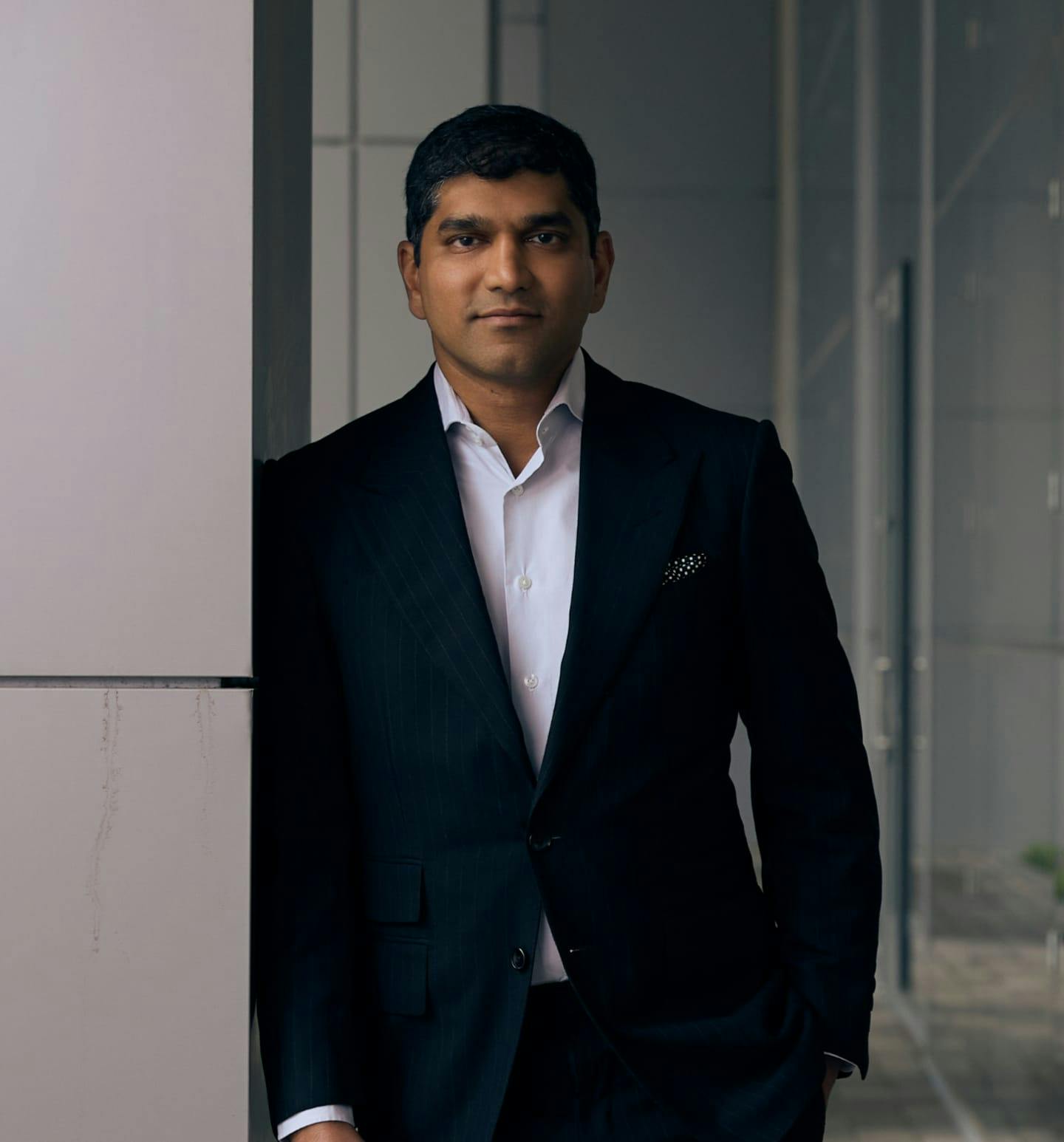
At Dr. Raj Plastic Surgery, Dr. Raja Mohan performs an extended deep plane facelift incorporating modern, preservation-oriented surgical principles. Rather than treating facial aging as simply "loose skin," Dr. Raj evaluates the face in layers—repositioning what has descended, restoring strategic volume, refining what has become heavy, and preserving the unique features that make you recognizable.

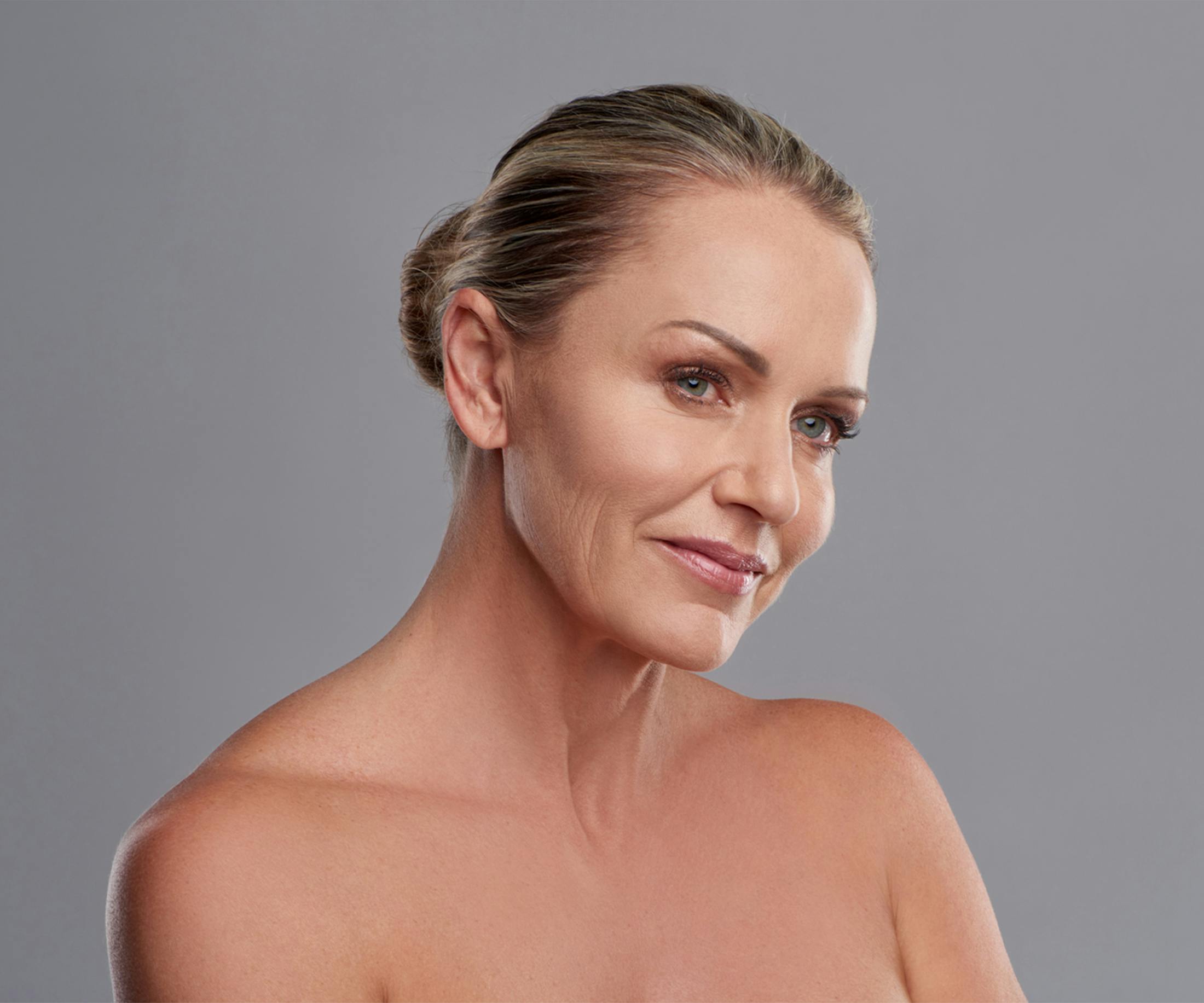
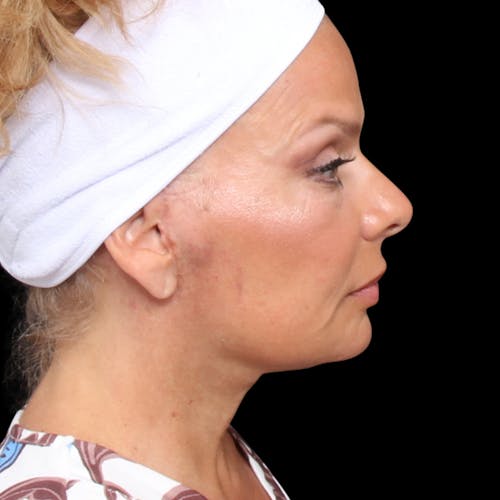
women soft smiling

The Preservation-Oriented Deep Plane Philosophy

Unlike traditional facelifts that broadly separate skin or rely on surface tension, Dr. Raj’s preservation-style approach focuses on deeper structural restoration: disturbing only what needs to be moved while preserving structures that do not.

  • Purposeful Skin Undermining: Minimizes trauma and preserves vital blood supply by avoiding wide, aggressive skin separation.
  • Complete Ligamentous Release: Releases tethering structures beneath the SMAS layer, allowing deep facial tissues to move as a cohesive unit so the structural foundation—not the skin—supports the lift.
  • Vector-Specific Elevation: Restores midface, jowl, and neck tissues along natural vertical pathways tailored to your anatomy, rather than pulling skin horizontally toward the ears.
  • Tension-Free Redraping: Eliminates reliance on surface skin tension, completely avoiding a "stretched" or "windswept" look and preventing distortion around the ears, tragus, and hairline.

Dr. Raj’s Layered Evaluation of Facial Aging

Facial aging occurs at every depth. During your consultation, Dr. Raj conducts a systematic, 6-layer evaluation to tailor your procedure precisely to your anatomy:

Layer 1: Skin Quality

  • Aging Effect: Fine wrinkles, sun damage, and loss of elasticity.
  • Dr. Raj’s Strategy: Purposeful redraping, paired with laser resurfacing or peels when indicated.

Layer 2: Facial Volume

  • Aging Effect: Temporal hollowing, cheek deflation, and shadow lines.
  • Dr. Raj’s Strategy: Strategic facial fat transfer to restore smooth transitions without overfilling.

Layer 3: Retaining Ligaments

  • Aging Effect: Soft tissues descend around fixed ligament attachments.
  • Dr. Raj’s Strategy: Anatomical release of deep retaining ligaments to allow natural tissue mobilization.

Layer 4: The SMAS

  • Aging Effect: Sagging of the fibromuscular structural layer.
  • Dr. Raj’s Strategy: Entry beneath the SMAS to elevate the cheek fat pad, midface, and jowls cohesively.

Layer 5: The Platysma

  • Aging Effect: Muscle laxity, platysmal neck bands, and jowling.
  • Dr. Raj’s Strategy: Central platysmaplasty and lateral platysma repositioning to recreate a crisp jawline.

Layer 6: The Deep Neck

  • Aging Effect: Subplatysmal fat, digastric prominence, and gland fullness.
  • Dr. Raj’s Strategy: Deep neck contouring to address internal structures that skin tightening cannot fix.

Are You a Candidate for Deep Plane Facelift Surgery?

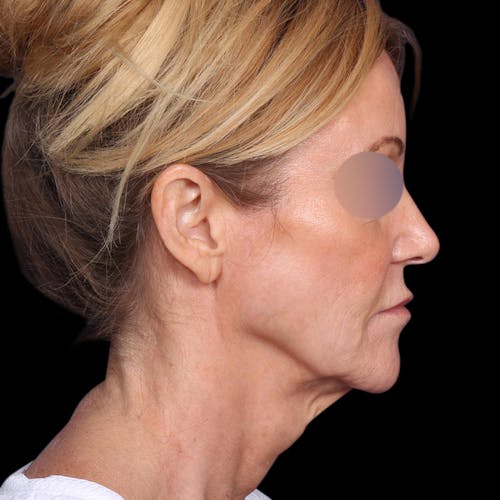
There is no universal "right age" for a facelift—Dr. Raj treats facial anatomy rather than a calendar date. Two patients of the exact same age can have vastly different skin elasticity, tissue descent, volume distribution, and neck structures.

Ideal Candidates Often Experience:

  • Midface Descent: Flattening or downward sag of the cheeks.
  • Lower Face Laxity: Noticeable jowling along the jawline and deepening nasolabial or marionette folds.
  • Neck Aging: Platysma muscle banding, loose skin, or deep structural fullness beneath the chin.
  • Over-Filled Appearance: A heavy or puffy lower face resulting from years of adding volume/fillers to descended tissues instead of lifting them.
  • Post-Weight Loss Laxity: Facial deflation and sagging skin following GLP-1 (Ozempic) treatments or major weight loss.
  • Realistic Expectations & Good Health: A clear desire for natural structural rejuvenation, overall physical health, and a commitment to follow postoperative care guidelines.

Who May Not Be a Candidate?

  • Active Nicotine Exposure: Patients who actively use cigarettes, vaping, nicotine patches, gum, or pouches and are unable to strictly adhere to Dr. Raj’s preoperative and postoperative nicotine cessation requirements.
  • Uncontrolled Medical Conditions: Unmanaged high blood pressure or systemic conditions that compromise anesthesia safety or wound healing.
  • Seeking Identity Change: Patients expecting surgery to completely alter their underlying identity rather than restore a refreshed, younger version of themselves.
  • Premature Aging Concerns: Patients whose anatomical concerns are too subtle or superficial to justify a major deep-plane structural procedure.
Banner media

Tailored Strategies for Specific Patient Needs

No two faces age identically. Dr. Raj customizes the extended deep plane facelift to address complex, specific patient presentations:

Facelift After GLP-1 or Major Weight Loss

Significant weight loss creates a distinct pattern of facial aging: severe deflation, rapid tissue descent, temporal hollowing, and loose skin. Adding filler alone cannot correct extensive tissue descent, nor can lifting alone solve true volume loss. Dr. Raj combines structural deep plane repositioning with neck contouring and strategic fat grafting to restore lost facial volume and tight contours.

Facelift After Years of Fillers

Repeated injectable treatments can eventually lead to lower-face heaviness, a puffy midface, and persistent jowling as tissues descend despite volume additions. Dr. Raj evaluates filler placement and dissolves or navigates around aged volume, shifting the focus from adding filler to structural repositioning.

Deep Plane Facelift for Men

Male facial rejuvenation requires distinct technical considerations. Men have thicker skin, heavier facial tissues, stronger neck musculature, and beard-bearing skin boundaries. Dr. Raj meticulously plans incisions along the sideburns and ear contours to preserve masculine jawline geometry and avoid feminizing or over-pulling the face.

Revision Facelift Surgery

Patients with residual jowling, distorted earlobes, unnatural hairline shifts, or recurrent neck laxity from a previous facelift require specialized care. Dr. Raj navigates altered scar planes, SMAS architecture, and altered blood supply to restore balance and refine prior results.

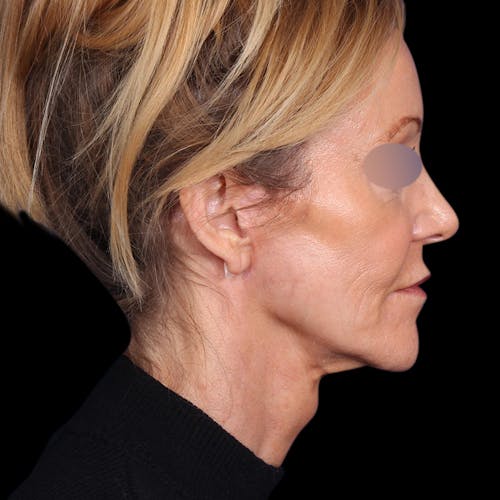
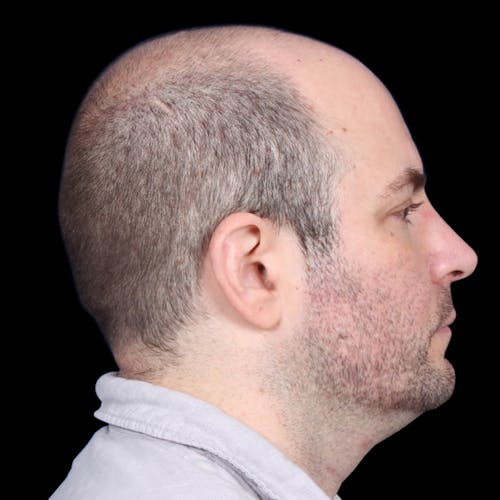
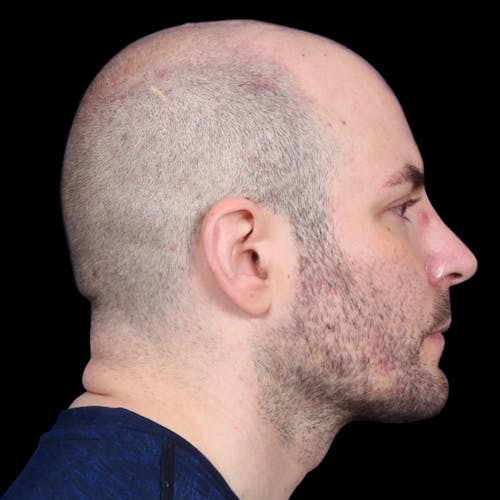
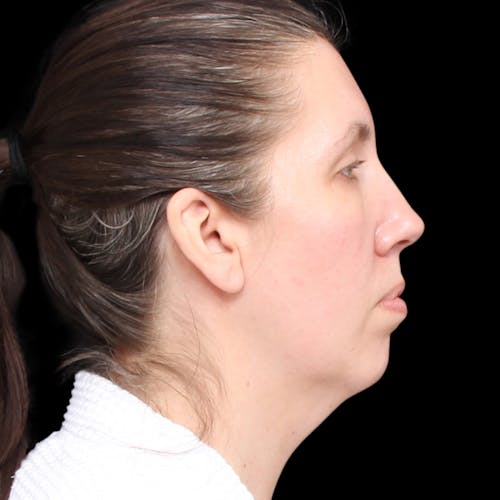
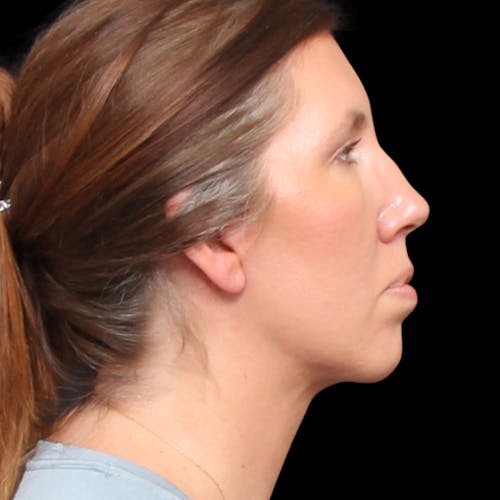
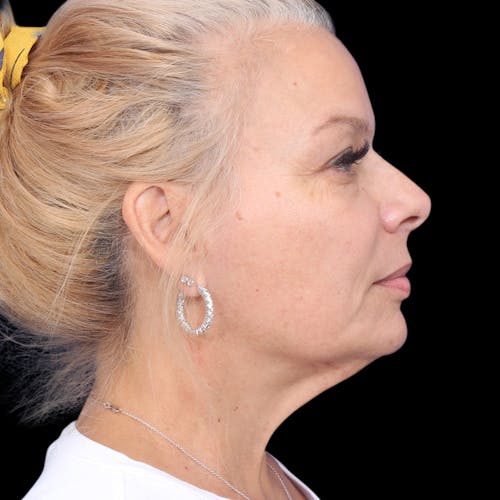
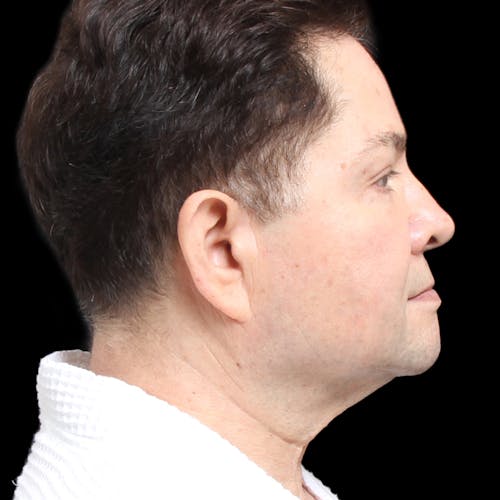
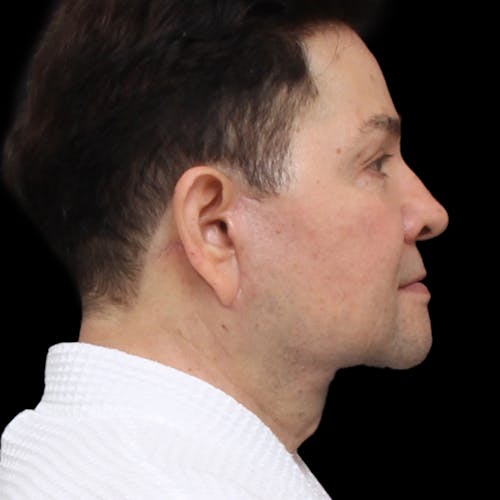
Before & After Deep Plane Facelift

Face & Neck Harmony: Deep Plane Facelift + Deep Neck Contouring

A beautifully elevated face can look incomplete beside an untreated neck. While superficial liposuction only removes fat above the platysma muscle, true neck heaviness or loss of the neck-jaw angle often lies deeper. When indicated, Dr. Raj performs Deep Neck Surgery alongside an extended deep plane facelift to treat:

  • Subplatysmal Fat: Deep fat pockets beneath the neck muscle that liposuction cannot reach.
  • Platysma Muscle Laxity: Re-aligning separated or banded neck muscles (platysmaplasty).
  • Anterior Digastric Muscle Prominence: Refining thick, prominent muscle contours beneath the chin.
  • Submandibular Gland Fullness: Strategically evaluating and contouring gland prominence for a crisp cervicomental angle.
abstract art

Schedule A Consultation

Contact us media

How Deep Plane Facelift Compares to Other Treatments

"The question isn't whether a face is aged, but whether it is empty, descended, or both. The treatment must match the true anatomical diagnosis."Dr. Raja Mohan

Deep Plane Facelift vs. Dermal Fillers

Fillers add surface volume to camouflage hollows. Deep plane facelifts reposition descended structural tissue. Adding filler to an already descended face creates unnatural heaviness and puffiness rather than true rejuvenation.

Deep Plane Facelift vs. Energy-Based Devices

Nonsurgical laser, radiofrequency, or ultrasound devices tighten outer skin surface tissue only. They cannot release deep tethering ligaments or remove excess skin, yielding subtle and temporary results compared to surgery.

Deep Plane Facelift vs. Thread Lifts

Thread treatments attempt to temporarily suspend superficial tissues using barbed sutures. They cannot release facial retaining ligaments, address deep neck structures, or provide the long-lasting structural correction of a deep plane facelift.

Deep Plane Facelift vs. Mini Facelift

Mini facelifts utilize smaller incisions and are reserved for early lower-face laxity. They offer limited vector control and do not address midface descent, heavy jowling, or deep neck structures.

Deep Plane Facelift vs. Traditional SMAS Facelift

Traditional techniques tighten or fold (plicate) the SMAS near the ear while pulling skin horizontally toward the ear. Deep plane surgery enters beneath the SMAS layer, releasing tethering retaining ligaments to elevate the midface, jowls, and neck vertically and naturally without skin tension.

Background media

The 10-Step Extended Deep Plane Facelift Procedure

Dr. Raj performs deep plane facelift surgery in a deliberate, meticulous 10-step sequence:

  1. Detailed Preoperative Analysis & Upright Markings: Evaluating facial asymmetry, vector requirements, vector angles, and vector targets while you are standing/seated.
  2. Concealed Incision Design: Meticulously placed within hairline boundaries, around natural ear contours, and behind the tragus to keep scars hidden.
  3. Limited & Purposeful Skin Elevation: Preserving skin attachments, vascular supply, and tissue health (the preservation concept).
  4. Anatomical Entry Into the Deep Plane: Transitioning beneath the SMAS layer into safe, well-defined anatomical spaces.
  5. Release of Facial Retaining Ligaments: Freeing tethered structures to unlock complete mobility of descended cheeks and jowls.
  6. Composite Tissue Repositioning: Elevating midface, cheek fat pads, and lower face as an integrated, cohesive unit.
  7. Structural Fixation: Securing deeper tissues to stable facial structures so the foundation—not the skin—supports the lift.
  8. Neck & Platysma Reconstruction: Performing central platysmaplasty, lateral platysma repositioning, or deep neck contouring.
  9. Tension-Conscious Skin Redraping: Trimming excess skin conservatively without tension on the tragus, earlobe, or sideburns.
  10. Meticulous Precision Closure: Layered suturing techniques designed to optimize healing and preserve natural ear morphology.

Complementary Rejuvenation Procedures

Facial aging rarely occurs in isolation. Dr. Raj frequently coordinates your deep plane facelift with complementary procedures for harmonious, full-face rejuvenation:

  • Facial Fat Transfer: Restores lost volume to the temples, tear troughs, upper cheeks, and perioral zones.
  • Upper & Lower Blepharoplasty: Clears heavy upper eyelid skin and repositions or removes lower eyelid bags.
  • Brow Lift: Elevates heavy lateral brows to open up the upper third of the face.
  • Lip Lift: Shortens an elongated upper lip, restoring youthful upper tooth show and lip eversion.
  • Skin Resurfacing (Lasers & Chemical Peels): Treats surface texture, sun damage, and fine crinkling that surgery alone cannot correct.
Banner media

Recovery Timeline & What to Expect

Healing is an evolving process, and final refinement takes time. Early swelling, tightness, and asymmetry are normal stages of the structural healing process.

Week 1 Peak Swelling & Rest

Focus on rest, hydration, light walking around the house, and keeping your head elevated. Swelling, bruising, and mild tightness peak during this initial window.

Weeks 2 to 4 Social Return & Initial Healing

Bruising fades rapidly, incisions heal, and sutures are removed. Most patients feel socially comfortable returning to public life and non-strenuous work within 2 to 3 weeks.

Months 2 to 6 Tissue Softening & Activity Resume

Deep facial tissues continue to soften, sensation returns around the ears, and facial movement feels entirely natural. Higher-impact exercise routines (Pilates, running, weightlifting) are safely resumed per Dr. Raj’s guidance.

Months 6 to 12+ Final Refinement & Long-Term Care

Surgical scars fully mature, residual deep swelling resolves, and facial contours become completely refined and crisp. Healthy nutrition, strict sun protection, and medical-grade skincare protect your investment for years to come.

Doctor media

Why Choose Dr. Raja Mohan in Dallas?

Deep plane facelift surgery requires far more than a technique name—it demands an intimate mastery of facial nerve anatomy, vector dynamics, and aesthetic judgment. Dr. Raja Mohan brings a rare analytical and surgical background to facial plastic surgery:

  • Mathematics & Analytical Training at MIT
  • Scientific Research at the National Institutes of Health (NIH)
  • Medical Training at University of Miami Miller School of Medicine
  • Integrated Plastic Surgery Residency at Johns Hopkins
  • Advanced Aesthetic Surgery Fellowship in Dallas

Deep Plane Facelift Frequently Asked Questions

What is the difference between a deep plane facelift and an extended deep plane facelift?

An extended deep plane facelift expands the surgical release further across the midface, jawline, and neck. By releasing key retaining ligaments across a broader space, Dr. Raj achieves complete mobility of the composite facial tissues, allowing multidirectional, tension-free repositioning.

Will I look "pulled" or stretched after surgery?

No. An unnatural, windblown look is caused by pulling skin tightly over un-moved deep tissue. Dr. Raj repositions the underlying structural foundation (SMAS, muscle, fat compartments) first. The skin is then redraped with zero tension, preserving your natural facial expression and ear anatomy.

Can a deep plane facelift fix my nasolabial folds and jowls?

Yes. Jowling and deepening nasolabial folds are primarily caused by descended midface fat and loose SMAS support. By releasing tethering ligaments and elevating these descended tissues back to their youthful anatomical position, both jowls and deep folds are significantly softened.

What is "preservation-style" facelift surgery?

Preservation surgery avoids unnecessary separation of the skin from the underlying tissue. By doing more of the structural work in deeper planes beneath the SMAS, blood supply to the skin is preserved, recovery is improved, and skin tension is completely avoided.

How long does a deep plane facelift last?

While no surgery stops the biological clock, an extended deep plane facelift provides long-lasting structural improvement because deeper tissues are re-anchored to solid anatomical structures. Patients continue to age naturally, but start from a refreshed baseline that typically puts them 10 to 15 years ahead of where they would have been.

What is the difference between a deep plane facelift and a deep neck lift?

A deep plane facelift addresses the lower two-thirds of the face, midface, jowls, and jawline transition. A deep neck lift specifically targets structures beneath the platysma muscle in the neck (deep fat, digastric muscles, submandibular glands). They are frequently combined for total face-and-neck harmony.

Can I get a facelift if I have had facial fillers for years?

Yes. However, repeated fillers can sometimes create facial heaviness or distorted tissue planes. Dr. Raj evaluates the status of your existing filler during your consultation and will determine if dissolving certain areas prior to surgery is ideal for achieving a clean, defined result.

Am I too young or too old for a deep plane facelift?

Surgical candidacy depends on anatomy, tissue descent, and overall health rather than a calendar age. Patients in their late 30s or 40s with significant weight loss or hereditary jowling may be excellent candidates, while healthy patients in their 70s or 80s can safely undergo facial rejuvenation with proper medical clearance.

When can I return to exercise and workout routines?

Light walking is encouraged immediately after surgery. Light cardiovascular work usually resumes around 3 weeks, while high-impact exercise, heavy weightlifting, yoga inversion poses, and golf/tennis can typically be phased back in between 4 to 6 weeks, depending on your healing progress.

Schedule Your Extended Deep Plane Facelift Consultation in Dallas

Facial aging is a complex combination of tissue descent, ligament tethering, volume loss, and skin changes. A successful rejuvenation plan begins by identifying which of these factors matter most for your unique face.

During your private consultation, Dr. Raja Mohan will conduct a thorough 6-layer evaluation of your face and neck, listen to your specific aesthetic goals, and design a bespoke surgical strategy tailored to you.

Banner media
Contact us media
Contact us media

Schedule a Consultation

Experience Elevated Aesthetic Care in Dallas

Contact Us
Accessibility: If you are vision-impaired or have some other impairment covered by the Americans with Disabilities Act or a similar law, and you wish to discuss potential accommodations related to using this website, please contact our Accessibility Manager at (469) 301-1725.
Contact Us