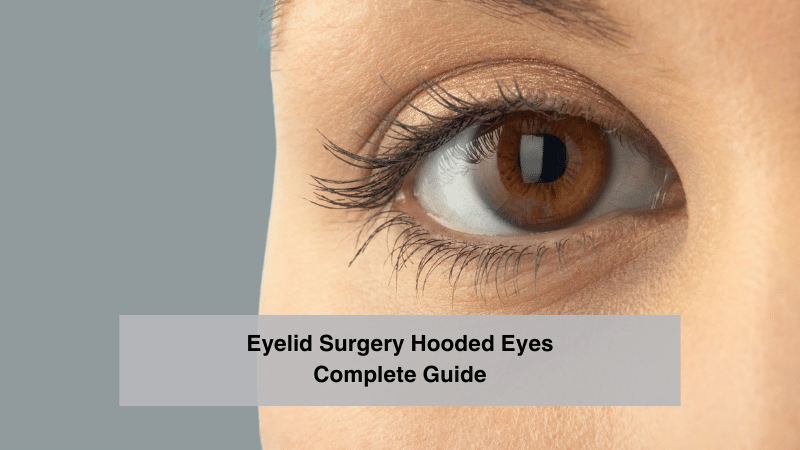
Eyelid Surgery Hooded Eyes is one of the most searched topics among patients who feel their eyes look tired, heavy, or older than they feel. Hooded eyes happen when excess skin and soft tissue fold over the upper eyelids, sometimes affecting appearance and even peripheral vision. This guide explains how eyelid surgery (blepharoplasty) works, who it is for, what recovery looks like, and why results vary from patient to patient.
For many people, treating hooded eyelids is not only about looks. In some cases, droopy eyelids can interfere with daily activities, cause blurred vision, or lead to ongoing eye strain. Dr. Raja Mohan emphasizes that understanding your surgical and non-surgical options—along with how vision, anatomy, and aging play a role—helps patients make informed decisions with realistic expectations and confidence.
What Are Hooded Eyes?
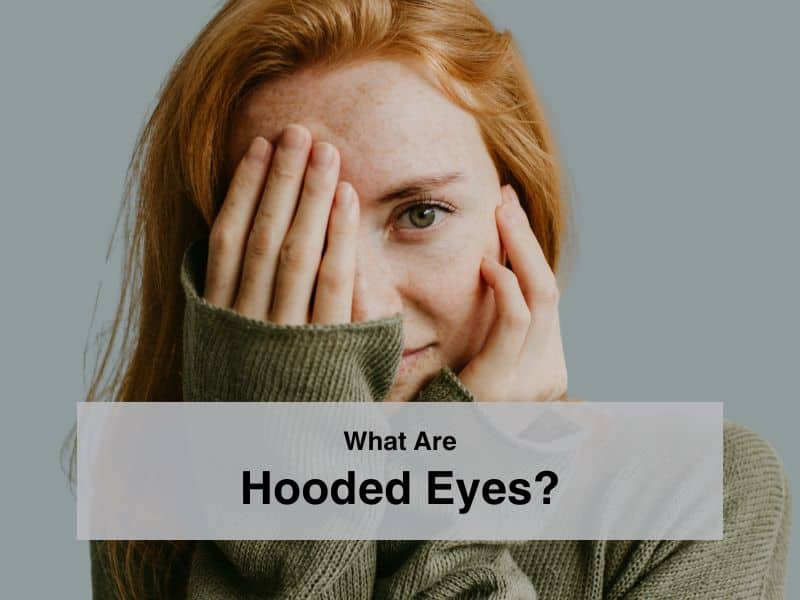
Common characteristics of hooded eyes
Hooded eyes occur when the skin of the upper lids folds downward, covering the natural eyelid crease. Common signs include:
- Excess eyelid skin resting on the lashes
- A less visible or hidden natural eyelid crease
- Saggy eyelids that make the eyes appear smaller
- Makeup transferring onto the lid because of loose skin
- A tired or angry expression even when rested
In some patients, upper eyelid hooding is mostly cosmetic. In others, the drooping skin can reduce the field of vision.
Why hooded eyes can worsen with age
The natural aging process causes collagen loss, skin thinning, and gravity-related changes. Over time, upper eyelid aging leads to:
- Stretching of eyelid skin
- Weakening of supporting tissues
- Fat shifting or bulging
- Descent of the brow, sometimes requiring a brow lift
For patients who already have hooded eyes, aging often makes the condition more noticeable.
What is double eyelid surgery hooded eyes?
Double eyelid surgery creates or enhances a visible eyelid crease, commonly discussed in patients seeking a more defined lid. In hooded eyes, this approach may help in select cases, but if there is significant excess upper eyelid skin, surgery that removes excess skin is usually required. A personalized evaluation determines what will look natural.
How Eyelid Surgery Helps Hooded Eyes
Upper eyelid surgery (blepharoplasty) explained
Upper eyelid surgery, also called upper blepharoplasty or upper eyelid blepharoplasty, is a surgical procedure designed to correct hooding. During this blepharoplasty procedure, the surgeon:
- Removes excess skin
- May remove excess fat or reposition it
- Refines the eyelid contour
The goal is a more open, refreshed look while preserving a natural crease.
How excess skin and fat are removed or repositioned
In patients with thick or heavy lids, fat may contribute to hooding. In some cases, fat is carefully reduced; in others, it is preserved to avoid upper eyelid hollowness. This balance is critical for a youthful eye appearance and depends on anatomy and age.
Functional vs cosmetic benefits
Eyelid lift surgery can be cosmetic, functional, or both.
- Cosmetic: improves symmetry, brightness, and youthful appearance
- Functional: improves visual field and reduces lid heaviness
For patients with vision obstruction, droopy eyelid surgery may improve daily comfort and safety.
Who Is a Good Candidate for Eyelid Surgery for Hooded Eyes
Ideal age and skin conditions
There is no single “right age.” Some patients seek cosmetic eyelid procedures in their 30s due to genetics, while others wait until later decades. Good candidates often have:
- Stable health
- Noticeable excess upper eyelid skin
- Realistic expectations
Skin quality and healing ability affect outcomes.
Medical considerations and eye health
A thorough medical evaluation is essential. Surgeons review medical history, eye dryness, prior eye surgery, and conditions like drooping eyelid ptosis surgery needs. In patients with muscle weakness of the levator muscle, upper eyelid ptosis repair may be required instead of standard blepharoplasty.
Eyelid Surgery Procedure Step by Step
Pre-surgery consultation and planning
Planning includes:
- Reviewing cosmetic eyelid surgery photos
- Assessing brow position and need for a lateral brow lift
- Measuring the visual field if vision is affected
A personalized treatment plan ensures natural results.
Anesthesia options
Most eyelid surgery (Blepharoplasty) performed for hooded eyes is an outpatient procedure using local anesthesia with light sedation. This allows faster recovery and lower risk compared to general anesthesia.
Surgical technique and incision placement
Incisions are placed within the natural eyelid crease, making scars hard to see once healed. The surgeon carefully reshapes tissue to maintain a smooth eyelid contour and avoid an overdone look.
Recovery Timeline After Eyelid Surgery
What to expect in the first week
The first week of recovery usually includes:
- Mild discomfort
- Swelling and bruising
- Use of cold compresses
- Sleeping with the head elevated
Most patients return to non-strenuous activities within 7–10 days.
Swelling, bruising, and healing milestones
Bruising fades over 2–3 weeks. Swelling improves gradually. For patients prone to fluid retention or with thicker skin, swelling may last longer.
When final results become visible
While early improvements are noticeable quickly, final results often take 2–3 months as tissues soften and scars fade.
Results of Eyelid Surgery for Hooded Eyes
Expected aesthetic improvements
Patients often notice:
- More open eyes
- A visible eyelid crease
- Reduced heaviness of upper lids
- A more rested appearance
Longevity of results
Results are long-lasting, but aging continues. Some patients may need future adjustments, especially if brow descent progresses.
Before and after eyelid surgery hooded eyes considerations
Comparing before-and-after images helps set realistic goals. Lighting, swelling, and healing stage all affect appearance, so timing matters when evaluating results.
Risks and Complications of Eyelid Surgery
Common temporary side effects
Temporary issues may include:
- Dryness
- Sensitivity to light
- Mild double vision
- Uneven swelling
These usually resolve with healing.
Rare but serious risks
Rare complications include infection, bleeding, or vision changes. Choosing experienced plastic surgeons or an oculoplastic surgeon reduces these risks.
How to minimize complications
Following instructions, avoiding smoking, and attending follow-ups help ensure safe healing.
Eyelid Surgery vs Non-Surgical Treatments for Hooded Eyes
Botox and injectable limitations
Injectables like Botox or upper eyelid filler injection can offer subtle lift in select cases, but they do not remove excess skin. Results are temporary and limited.
Why surgery offers longer-lasting correction
When true hooding is caused by skin excess, hooded eyes blepharoplasty is the most reliable way to correct hooded eyes and restore lid definition.
Eyelid Surgery for Hooded Eyes Cost
Factors that affect pricing
Eyelid Surgery cost varies based on:
- Surgeon experience
- Geographic location
- Whether reconstructive surgery or cosmetic treatment is performed
- Need for additional procedures like brow lift surgery
Insurance considerations
If drooping eyelids impair vision, insurance may cover part of the procedure after testing. Purely cosmetic surgery is usually self-pay.
Choosing the Right Surgeon: Eyelid Surgery for Hooded Eyelids
Look for a board certified plastic surgeon or facial plastic specialist with eyelid expertise. Experience with upper eyelid ptosis surgery and cosmetic cases ensures balanced results.
Frequently Asked Questions: Eyelid Surgery Hooded Eyes (Blepharoplasty)
Is eyelid surgery for hooded eyes painful?
Most patients describe mild discomfort rather than pain. Because the procedure uses local anesthesia, pain is well controlled, and soreness improves quickly during recovery.
Can eyelid surgery improve vision?
Yes. When excess skin blocks the field of vision, droopy eyelid ptosis surgery or blepharoplasty can improve sight and reduce eye strain.
Will eyelid surgery make me look unnatural?
When done correctly, surgery preserves a natural eyelid crease and avoids a “pulled” look. Results depend on anatomy and surgical technique.
How long is recovery after eyelid surgery?
Initial recovery is about 1–2 weeks, but subtle swelling can last longer. Most patients feel comfortable in public within 10–14 days.
Are non surgical treatments effective for hooded eyes?
Non surgical treatments may help mild cases, but they cannot correct significant excess upper eyelid skin. Surgery offers more lasting improvement.
Schedule Your Eyelid Surgery Blepharoplasty Consultation Today
If hooded or droopy eyelids are affecting how you look or see, Eyelid Surgery Blepharoplasty may be the right solution. At Dr. Raja Mohan Plastic Surgery, this procedure is carefully planned to remove excess eyelid skin, restore a natural eyelid crease, and create a more rested, youthful eye appearance while prioritizing safety and natural-looking results. Every treatment plan is personalized based on your anatomy, goals, and eye health.
Contact us today and take the next step toward clearer, brighter-looking eyes and learn whether eyelid surgery blepharoplasty is right for you and to receive expert guidance throughout every stage of care.